 Gilbert Mold Removal
 Mold Remediation in Gilbert, Arizona
Mold remediation is the controlled removal of mold and the materials it grows on: done under containment, with HEPA air filtration, and verified by clearance testing. In Gilbert, most jobs run $1,500–$6,500 (Phoenix-area average is around $1,800), and a typical single-room job takes one to three days. If mold covers more than about 10 square feet, or keeps coming back after cleaning, it’s a remediation job, not a spray-and-wipe job.
What remediation actually means (and what it doesn’t)
The biggest myth in this industry is that mold can be “killed.” Sprays, foggers, and bleach make staining disappear, but mold rooted in drywall paper, baseboard, or framing is still there, and dead spores and fragments are still allergens. Mold can aggravate allergies and asthma whether it’s alive or not. That’s why every credible standard, including the IICRC S520 that any bid should be measured against, defines remediation as physical removal: take out the contaminated porous material, clean and treat what stays, and fix the moisture source so it can’t return.
If someone quotes you a “mold treatment” that’s just fogging the house for a few hundred dollars, you’re not buying remediation. You’re buying air freshener.
The remediation process, step by step
- Free assessment. We confirm the extent of growth and, more important, find the moisture source. Remediating mold without fixing the leak is renting a solution.
- Containment. Plastic sheeting seals the work area, with zipped entry. Larger jobs add a decontamination chamber.
- Negative air pressure. HEPA-filtered air scrubbers exhaust outside the containment, so air flows into the work zone, never out. This is what keeps spores out of the rest of your house, and it’s the step cut-rate operators skip.
- Removal. Contaminated drywall, insulation, carpet pad, and baseboard are cut out, bagged inside containment, and disposed of. Structural wood gets HEPA-vacuumed, damp-wiped, and where needed, abraded and treated.
- Drying. Commercial dehumidifiers and air movers bring the assembly back to dry-standard readings, verified with moisture meters, not guesswork.
- HEPA cleaning. Every surface in containment is HEPA-vacuumed and wiped down. Scrubbers run until air is clean.
- Clearance testing. Independent post-remediation sampling confirms spore counts are back to normal before containment comes down. Details on how that works are on the mold inspection and testing page.
Then rebuild (new drywall, paint, baseboard), either by the remediation company or your own contractor. Your call.
What drives the price up or down
| Factor | Lower cost | Higher cost |
|---|---|---|
| Area affected | One wall section (<10 sq ft) | Multiple rooms, flooring, ceilings |
| Materials involved | Drywall, baseboard | Cabinetry, hardwood, subfloor |
| Moisture source | Simple supply-line fix | Slab leak, roof underlayment |
| Access | Open wall in a bathroom | Attic air handler platform, tight AC closet |
| Drying needed | Already dry | Active water, structural drying first |
A vanity wall in a Seville or Lyons Gate bathroom might be $1,500. A slab leak in a Val Vista Lakes home that wicked into three rooms of drywall and flooring can push past $6,000, and at that point the water damage cleanup and drying is half the job. Full ranges by scenario are on the pricing page. Get numbers in writing before work starts; a free assessment should obligate you to nothing.
Why Gilbert homes end up needing remediation
Gilbert’s housing stock is deceptively young. Most of it went up between the mid-1980s and late 2000s (Val Vista Lakes, The Islands, Power Ranch, Seville, Morrison Ranch, Higley Groves, Cooley Station) which means original plumbing, water heaters, and AC systems are all hitting end-of-life within a few years of each other. The three most common jobs:
- AC closet and air handler mold. Indoor units in hallway closets with clogged condensate lines, especially during monsoon season. See AC and HVAC mold.
- Slab and pinhole copper leaks. Slow leaks under slab-on-grade floors that nobody notices until baseboards stain or flooring cups.
- Monsoon intrusion. July–September storms driving rain past aging tile-roof underlayment and parapet walls. See monsoon and roof leak mold.
And because post-2000 Gilbert homes are built tight for energy efficiency, moisture that gets into a wall cavity has nowhere to go. In monsoon season, with dew points running 55–65°F and AC systems sized for heat rather than dehumidification, a wet wall can support active growth within days.
Attic, wall cavity, or crawlspace, where the mold lives shapes the job
The species on the lab report barely moves the price. The location does.
- Attics. Bath fans that dump into the attic instead of through the roof, monsoon-wetted insulation, and condensate leaks under attic air handlers all put growth on the underside of the roof sheathing. The protocol is standard (HEPA vacuuming, abrasive cleaning of framing and OSB, removal of contaminated insulation) but access and heat set the schedule. In summer, attic work happens at first light, because by mid-morning it’s 130°F up there.
- Wall cavities. Slab leaks and failed shower pans grow mold where nobody can see it. These jobs start with moisture mapping to bound the removal area, then drywall comes out to a clean margin past the last wet reading. This is the classic “bigger than the stain suggested” scenario, and the reason any quote should come after the meter, not before.
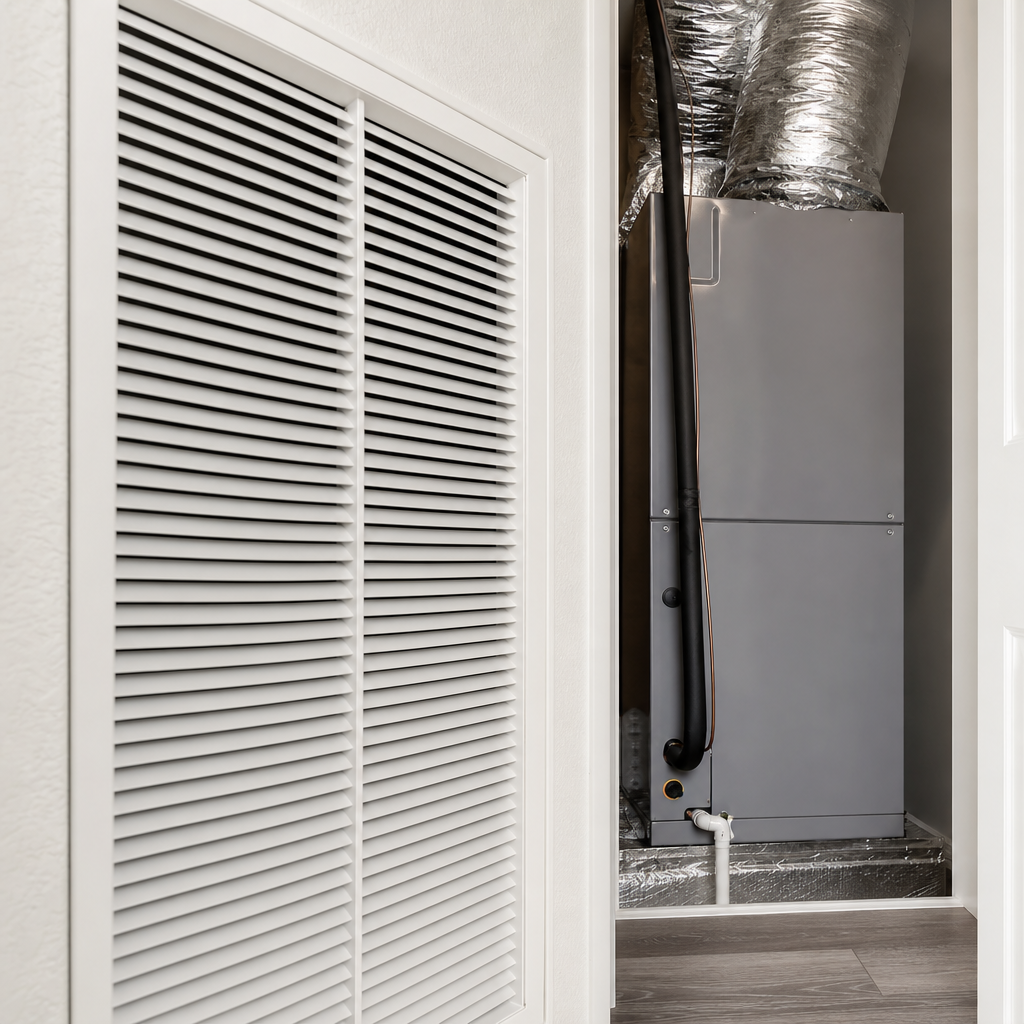
- AC closets. Small footprint, tight access, and the air handler sitting in the middle of the work zone. A compact containment, careful work around the equipment, and usually the low end of the price range.
- Crawlspaces. The honest answer for Gilbert: rare. Nearly everything in town is slab-on-grade. But where a crawlspace exists (some older properties, room additions, outbuildings) it gets the same containment and negative-air setup, and the scope should flag the vapor-barrier or ventilation fix that keeps it from coming back.
Whatever the location, the standard doesn’t bend: containment, negative air, physical removal, clearance.
No state license, so here’s how to judge a remediation company
Arizona issues no state mold remediation license. There is no regulator checking that the crew in your hallway knows what negative air pressure is. The market here splits into companies that can show IICRC certification and follow the S520 standard, and everyone else.
Before hiring anyone, ask four questions:
- Are the technicians IICRC-certified, and can they show it?
- Will you build containment with negative air, or just “seal off the room”?
- Is clearance testing by an independent lab included, or is “trust us, it’s clean” the end of the job?
- Are you licensed and insured as a contractor for the tear-out and rebuild work?
Put all four to every bidder, us included, and ask to see the paperwork. If a cheaper bid answers no to any of them, you now know what the discount buys.
After the job: keeping it gone
Remediation with the moisture source fixed is permanent, mold doesn’t return to dry material. The habits that keep it that way are cheap: watch your water bill for unexplained jumps (the earliest slab-leak signal), run bath fans after showers, keep monsoon-season indoor humidity under 50%, and have the AC serviced each spring before cooling season. If a musty smell ever returns, call early, a $300 look is better than a $3,000 do-over.
Serving Gilbert and the East Valley
We take remediation requests from across Gilbert, from the Heritage District to Power Ranch, plus Chandler, Mesa, Queen Creek, and San Tan Valley. Suspected black mold gets a stricter protocol; see black mold removal. If you’re still at the “is this even mold?” stage, start with an inspection instead. It’s cheaper, and an honest report will say so if remediation isn’t needed.
Ask us for the assessment window when you request a quote anywhere in the East Valley. Get a fast quote and a straight answer on scope before anyone touches a wall.
Frequently Asked Questions
How much does mold remediation cost in Gilbert, AZ?
Most Gilbert remediation jobs land between $1,500 and $6,500, with the Phoenix-area average around $1,800. A single bathroom wall is at the low end; a slab leak that soaked multiple rooms is at the high end. Cost depends on scope, so start with a free assessment and a written number before any work begins.
Can't I just spray bleach on the mold?
No, bleach whitens surface staining but doesn't remove mold rooted in porous drywall or wood, and dead spores still trigger allergies and asthma. Remediation means physically removing contaminated material under containment, not killing what's visible. On bare porous materials, bleach can even add moisture that feeds regrowth.
How long does mold remediation take?
A typical single-room Gilbert job takes 1–3 days: one day for containment and removal, plus drying and HEPA cleaning. Larger jobs with multiple rooms or slab-leak drying run 3–7 days. Clearance testing adds 2–3 days for lab turnaround before rebuild starts.
Do I have to move out during remediation?
Usually not. Work happens inside sealed containment under negative air pressure, so spores don't spread to the rest of the house. If the affected area includes the kitchen or the home's only bathroom, talk through logistics with us before starting.
Is mold remediation covered by homeowners insurance in Arizona?
It depends on the cause. Mold from a sudden event (burst pipe, water heater failure) is usually covered. Mold from a slow leak the policy considers deferred maintenance usually isn't. Ask for the cause and moisture readings in writing so you have the strongest possible file for your adjuster.
Does it matter whether the mold is in the attic, a wall cavity, or the AC closet?
For price and logistics, yes; for the standard of work, no. Attic jobs are shaped by access and summer heat, wall-cavity jobs by how far the moisture traveled before anyone saw it, and AC-closet jobs are usually the smallest and cheapest. Every location gets the same containment, negative air, physical removal, and clearance verification.